Positive Reinforcement Dog Training: A Complete Guide
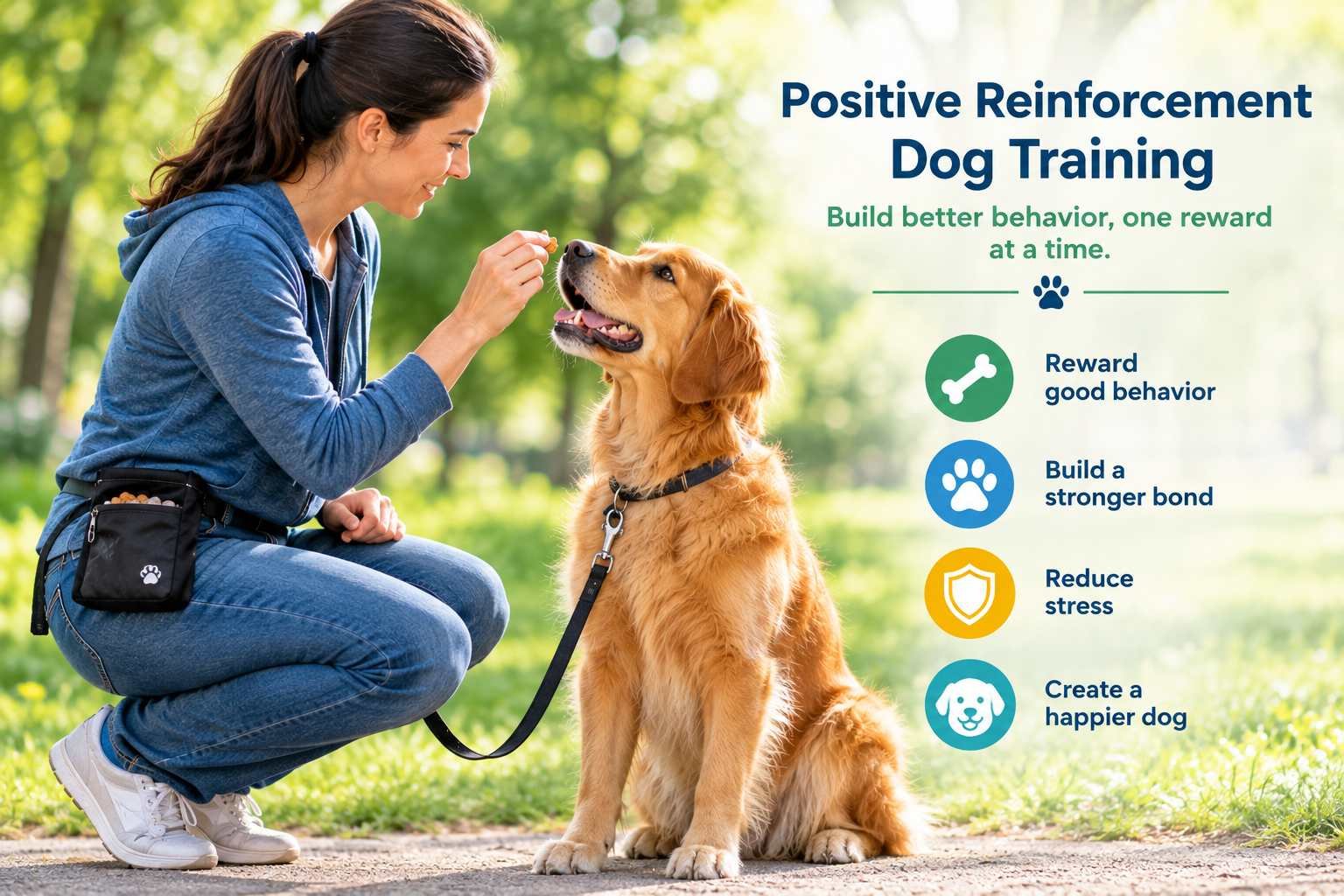
Learn positive reinforcement dog training basics: how rewards work, timing, and troubleshooting tips for lasting results.

Learn positive reinforcement dog training basics: how rewards work, timing, and troubleshooting tips for lasting results.
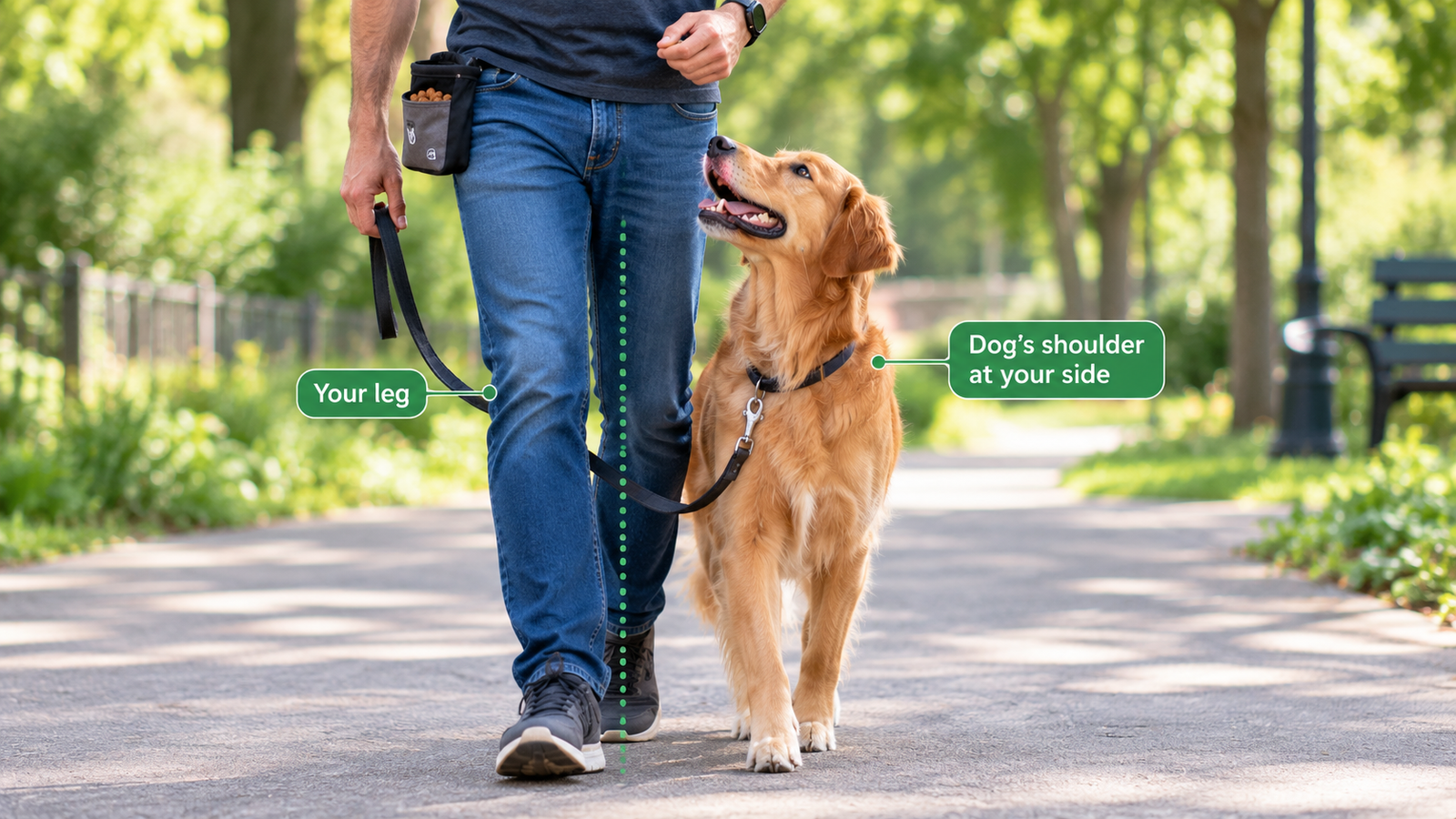
Heel is a precise position at your side, not everyday loose-leash walking. Build it in tiny steps with rewards, then use it where it counts.
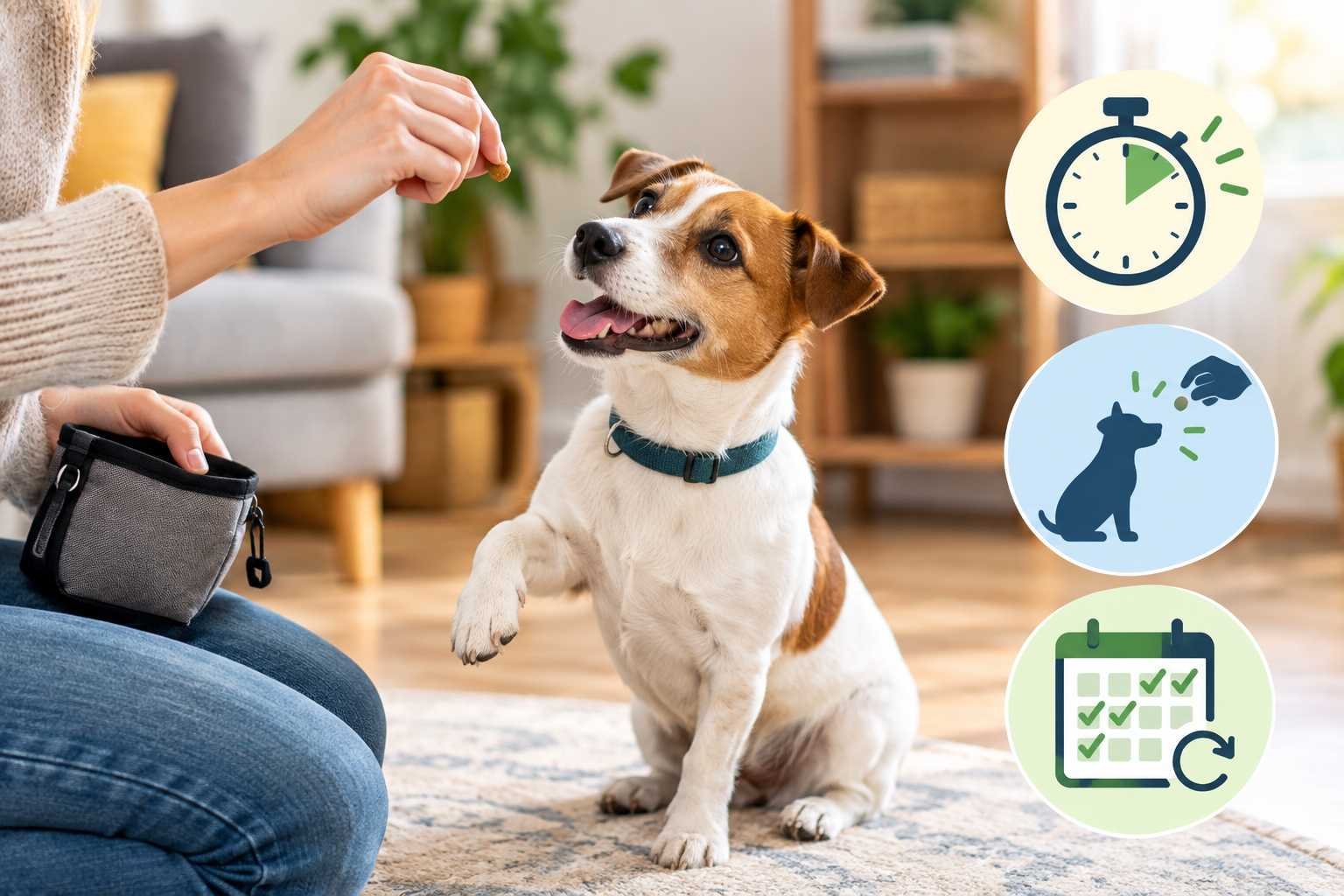
A few short, upbeat sessions beat one long drill. Here is what the research on training frequency actually found, and how to build a daily routine.
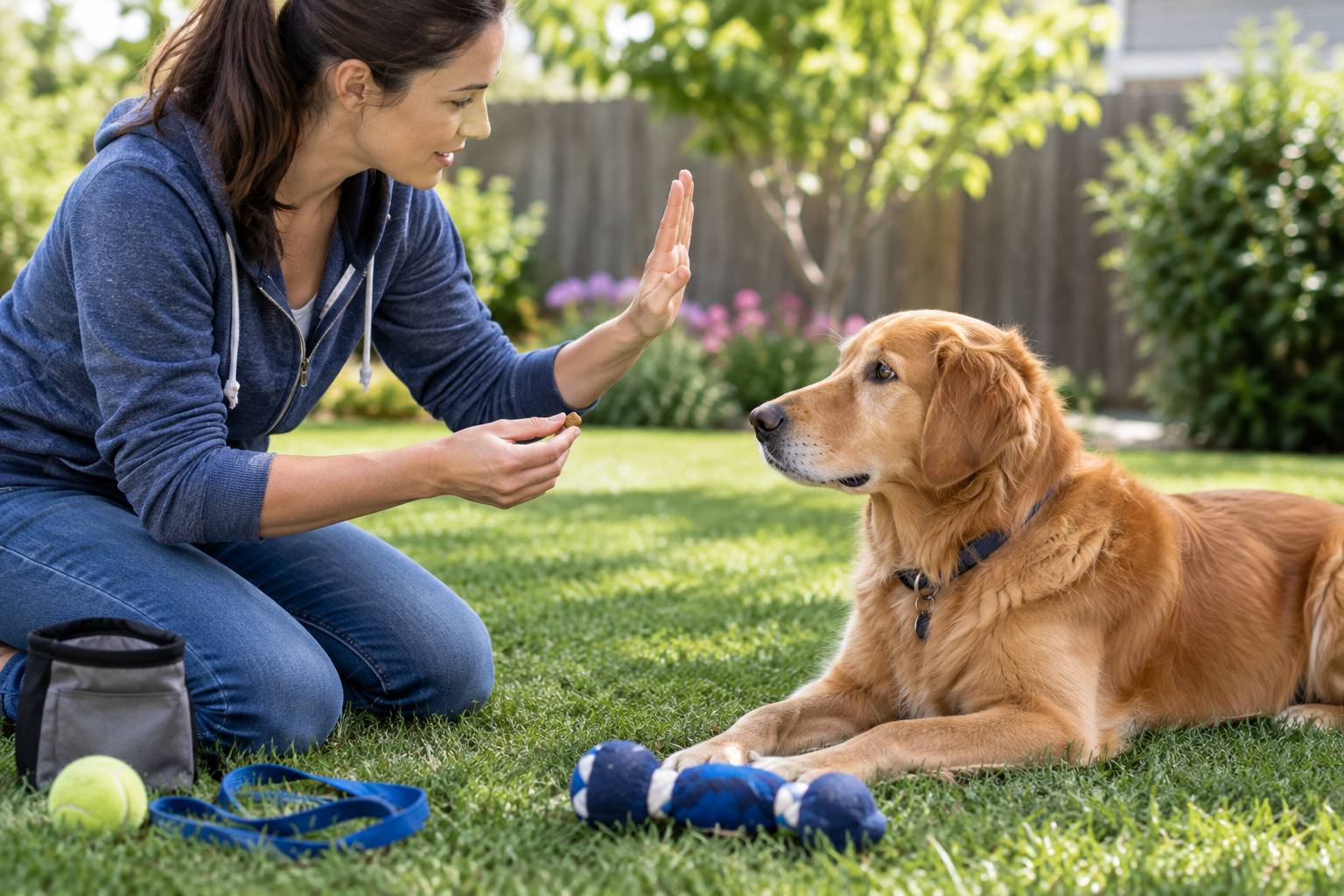
Leave it means don’t touch; drop it means let go. Teach both with trades, never by chasing or prying, so the cue stays safe and guarding never starts.
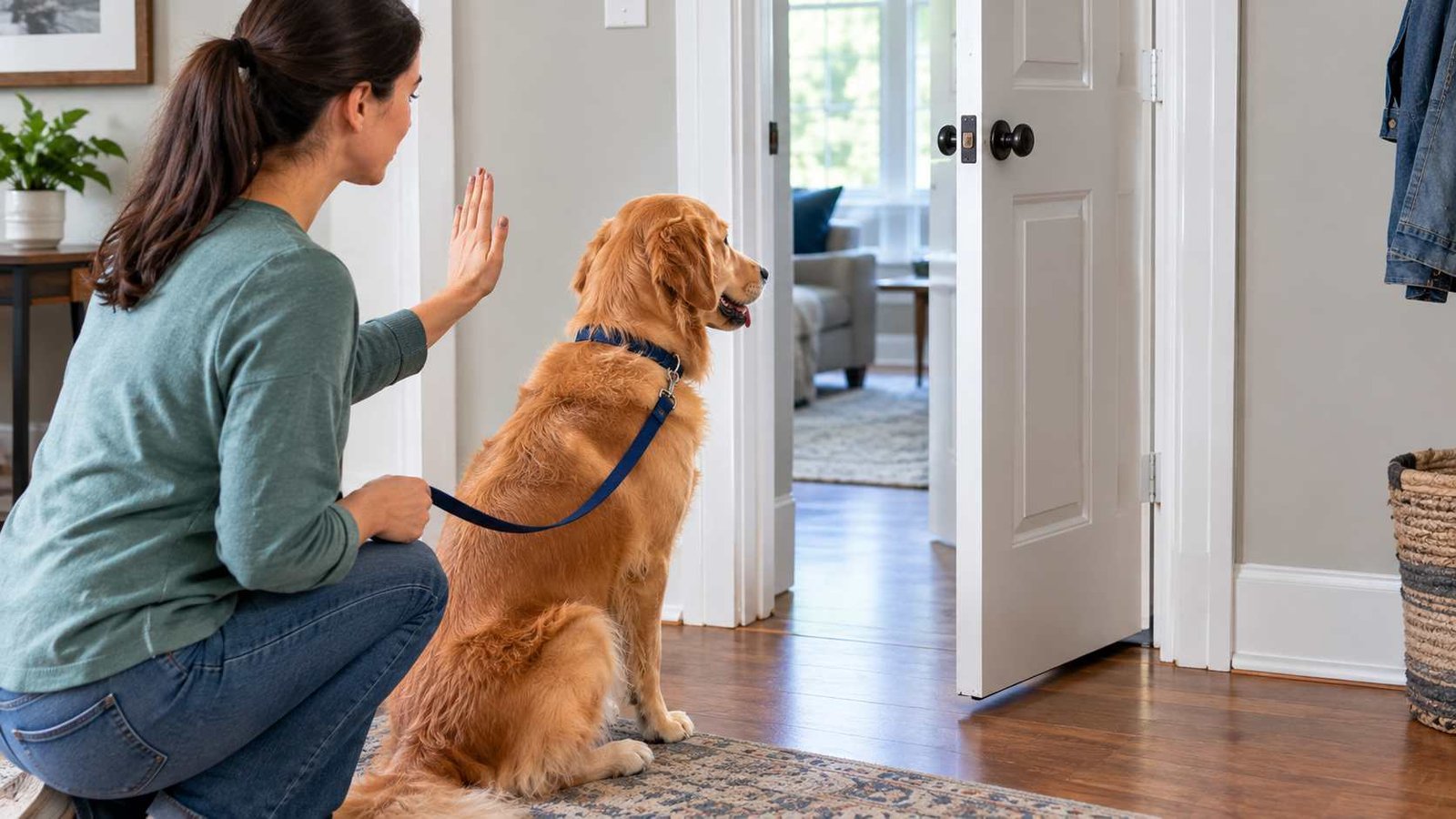
A doorway wait can keep a dog out of traffic. Train it at an inside door first, build slowly, and always use a release word.
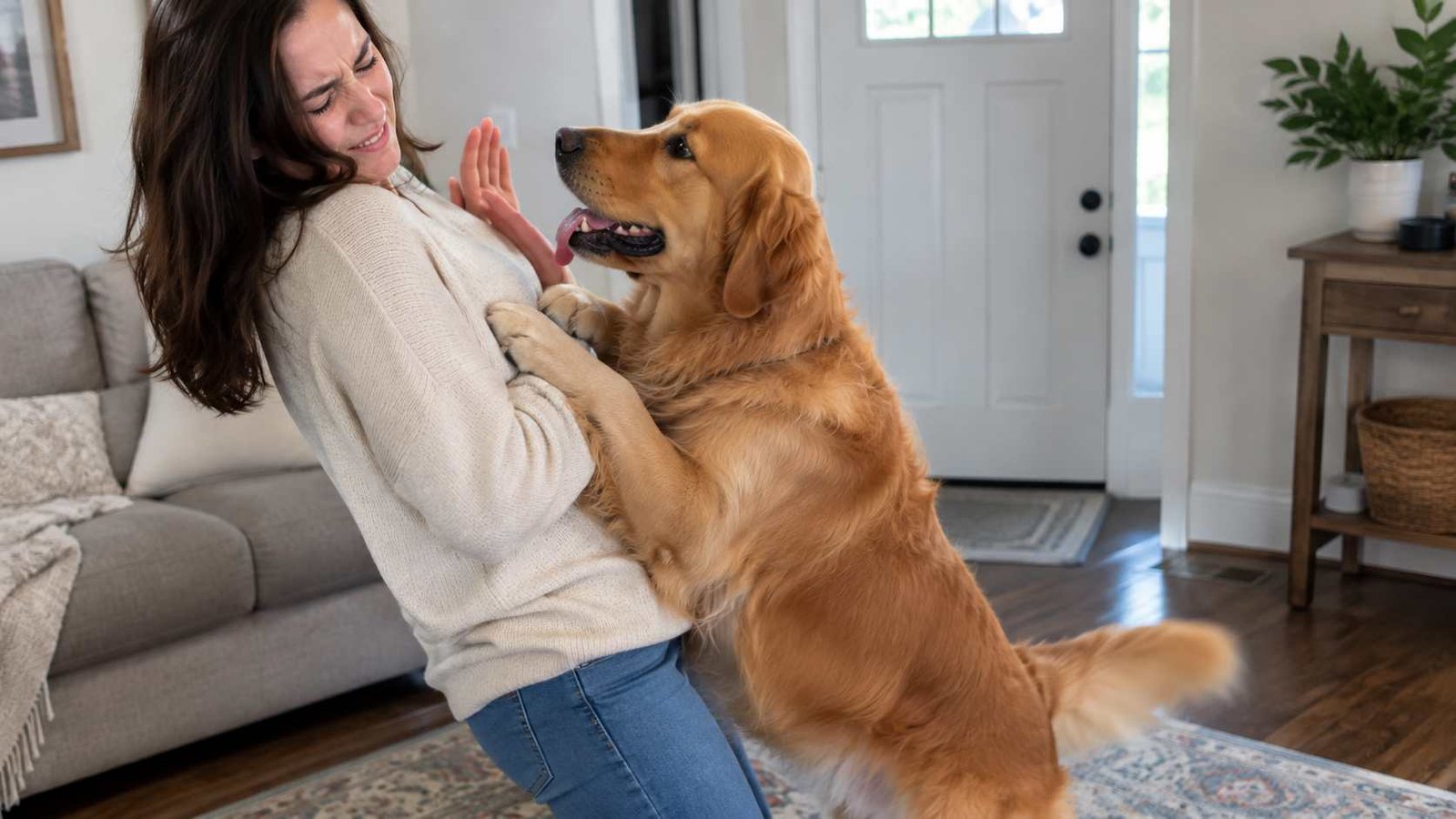
Dogs jump because it gets attention. Remove the payoff, teach a sit greeting, and get every visitor on the same script. Step by step, no punishment.
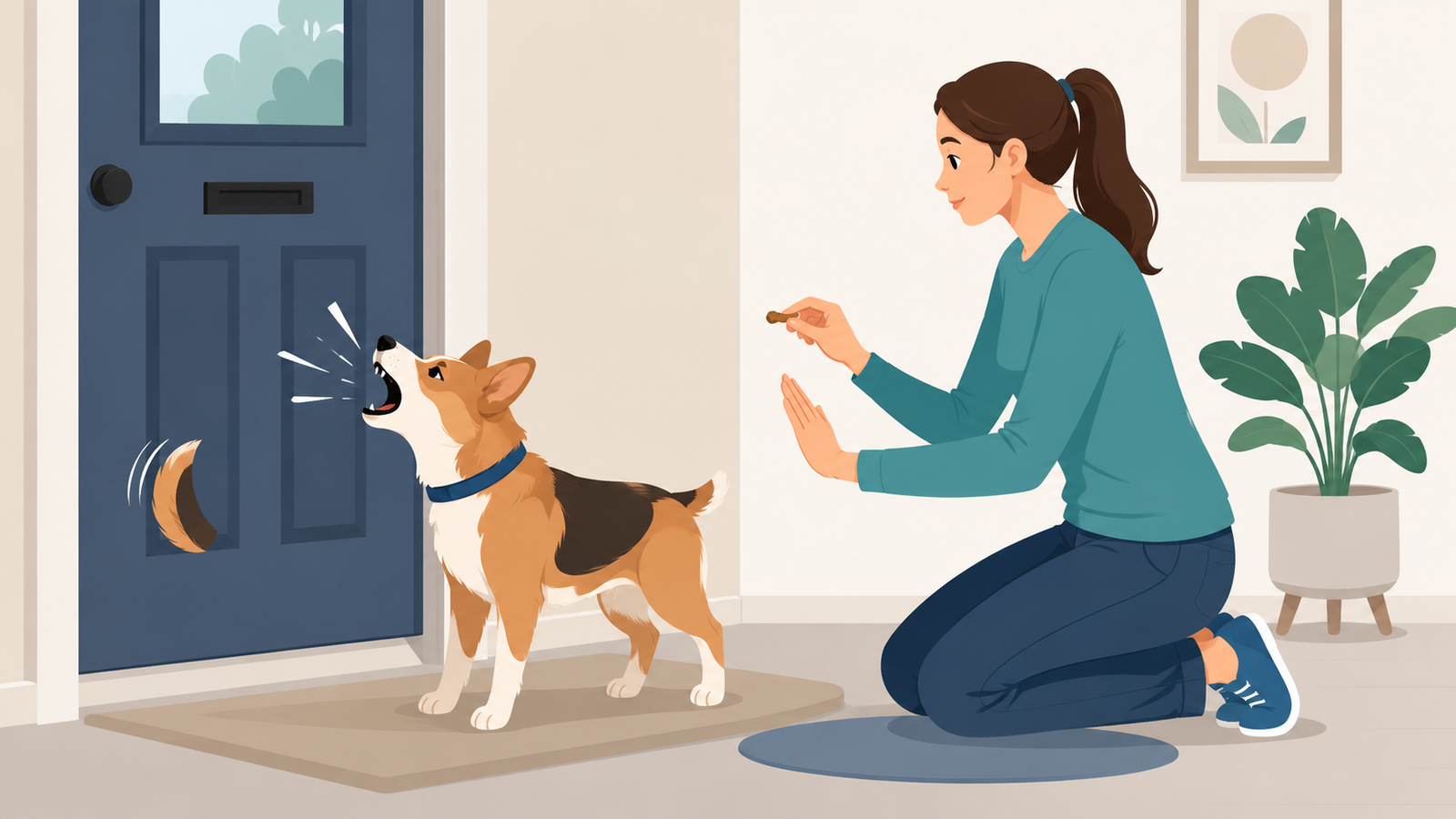
Positive reinforcement is one of the most effective and humane ways to train a dog. Instead of punishing unwanted behavior, this method rewards good behavior, making dogs more likely to repeat it. What Is Positive Reinforcement? Positive reinforcement means giving your dog something they enjoy immediately after they perform the desired behavior. Rewards may include: … Read more