How to Teach a Dog to Heel: Formal Walking, Step by Step
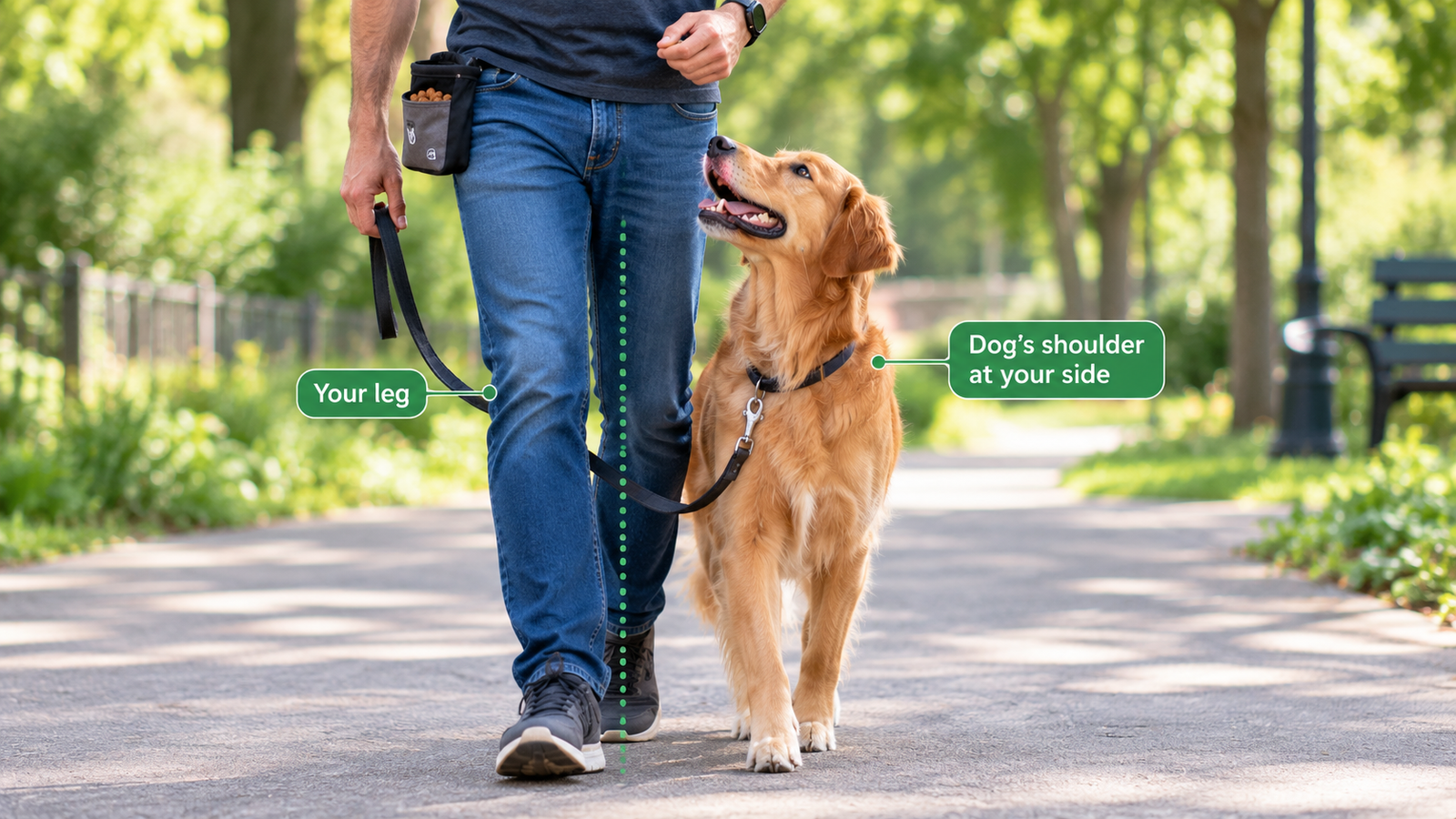
Heel is a precise position at your side, not everyday loose-leash walking. Build it in tiny steps with rewards, then use it where it counts.

Heel is a precise position at your side, not everyday loose-leash walking. Build it in tiny steps with rewards, then use it where it counts.

A few short, upbeat sessions beat one long drill. Here is what the research on training frequency actually found, and how to build a daily routine.
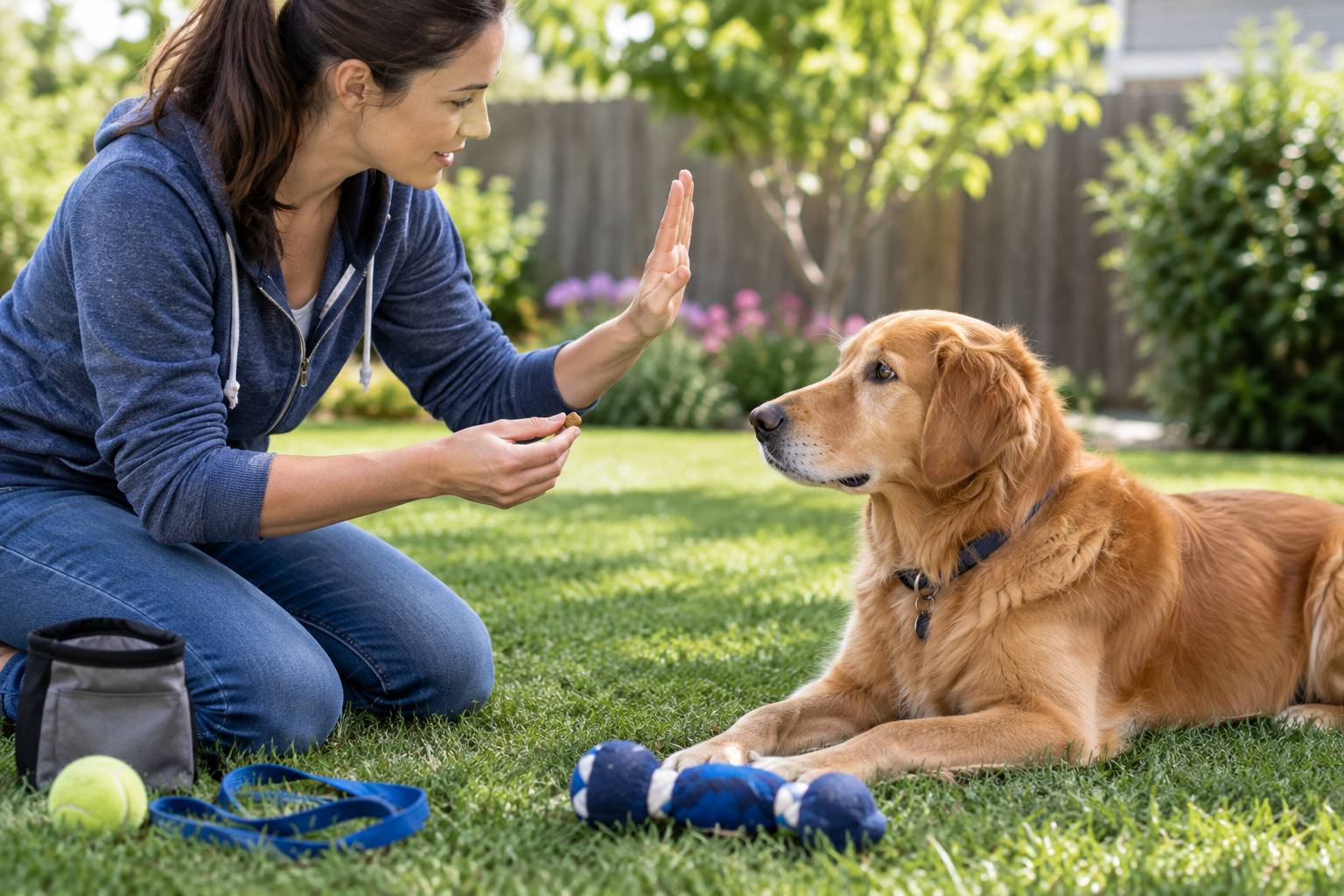
Leave it means don’t touch; drop it means let go. Teach both with trades, never by chasing or prying, so the cue stays safe and guarding never starts.
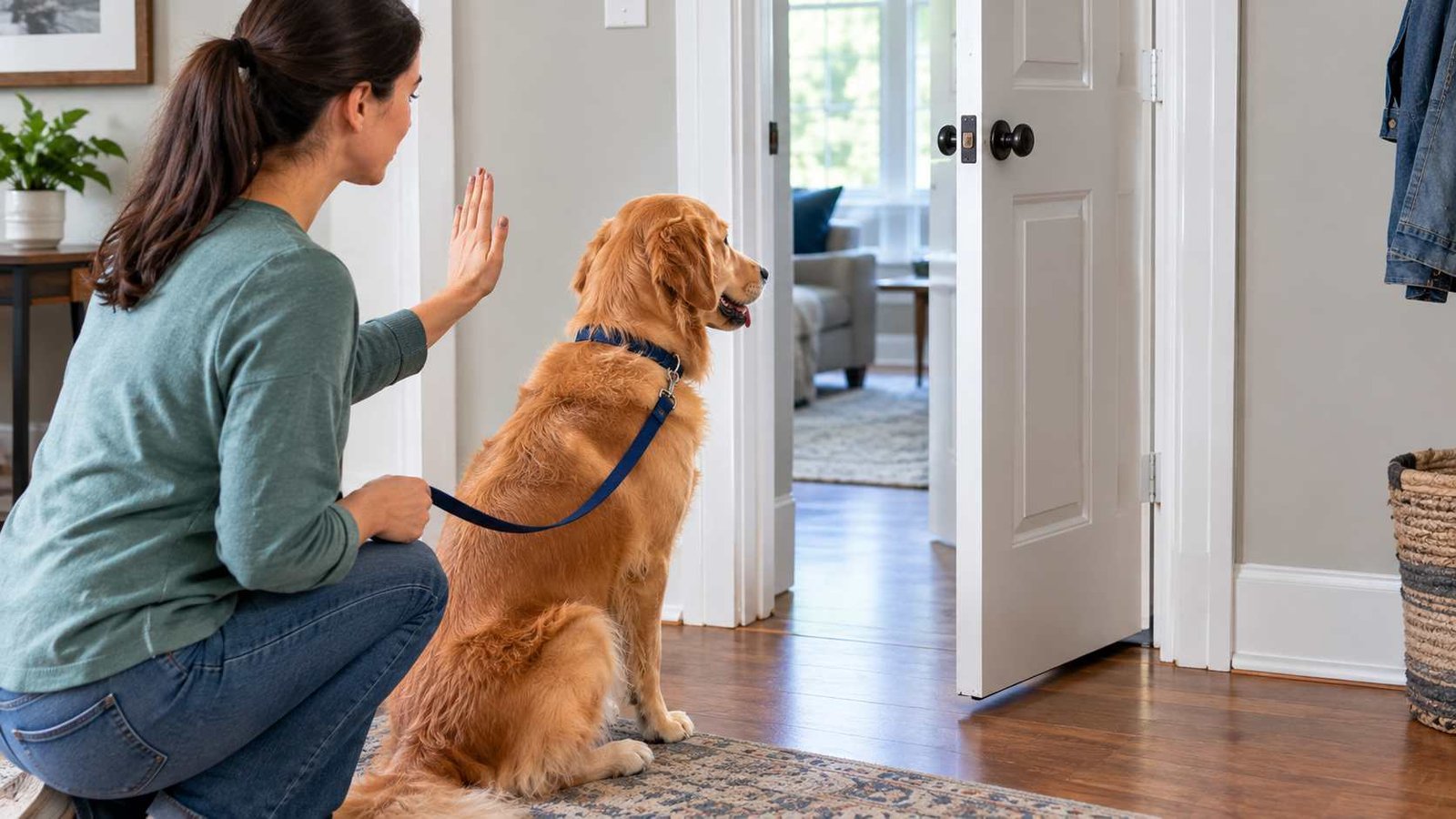
A doorway wait can keep a dog out of traffic. Train it at an inside door first, build slowly, and always use a release word.
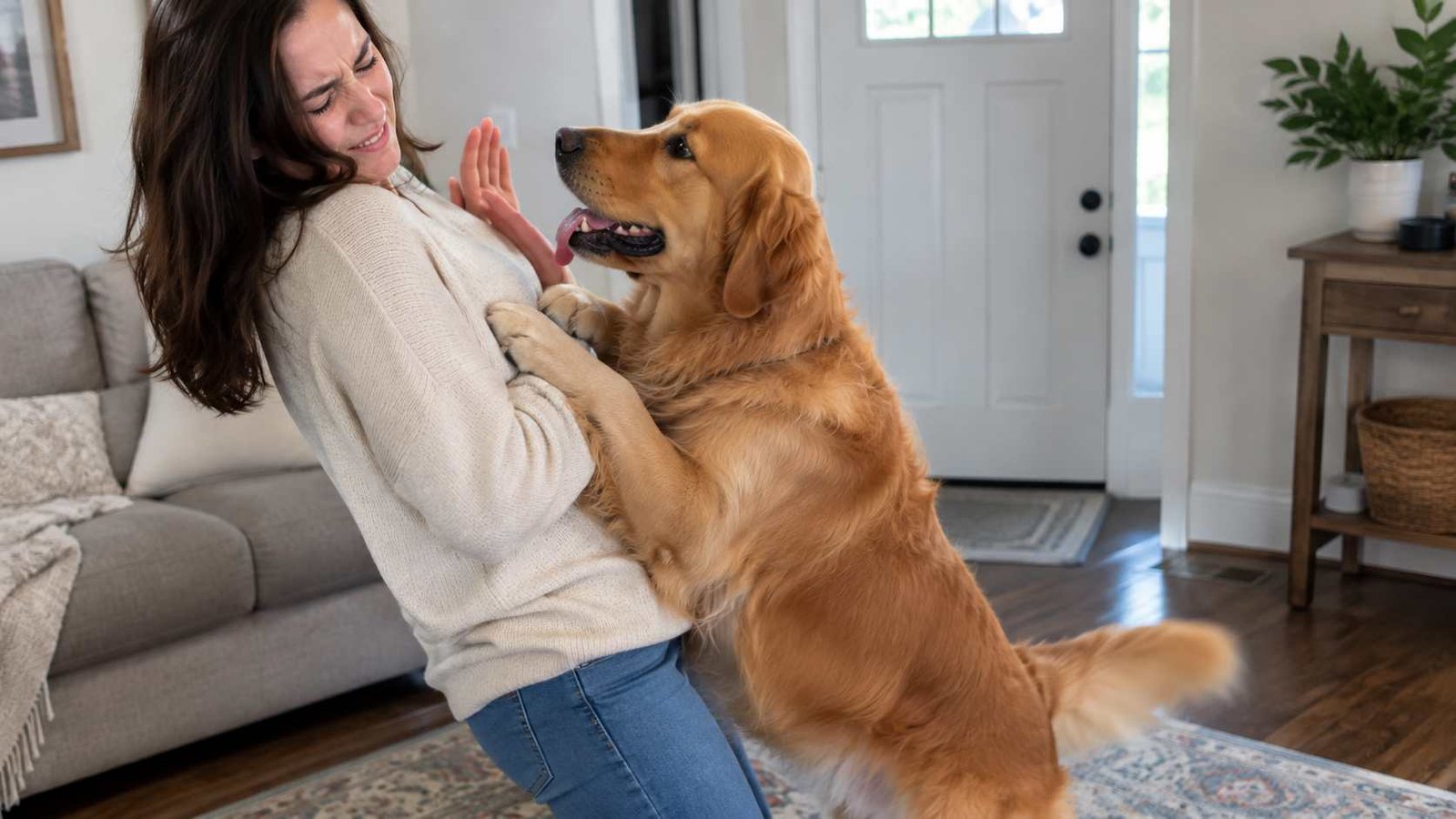
Dogs jump because it gets attention. Remove the payoff, teach a sit greeting, and get every visitor on the same script. Step by step, no punishment.

Some of these are folklore. One of them has a veterinary body’s published position against it. Here is which is which, and what we could not source either way.

Dog trainer is not a regulated title. Here is what each certification actually certifies, and the six questions that tell you what a class is really like.

Every puppy schedule you find is somebody else’s day with times on it. Here is how to build one around your day and the four things it has to contain.

Most grooming problems in adult dogs start as a puppy that was held still. Here is the reward-based way to introduce brushing, nails and bathing.

The two-window version of fear periods is repeated everywhere with dates attached. Here is what is actually documented, and what to do while it is happening.