Dog Pacing at Night: Behavior or Medical?
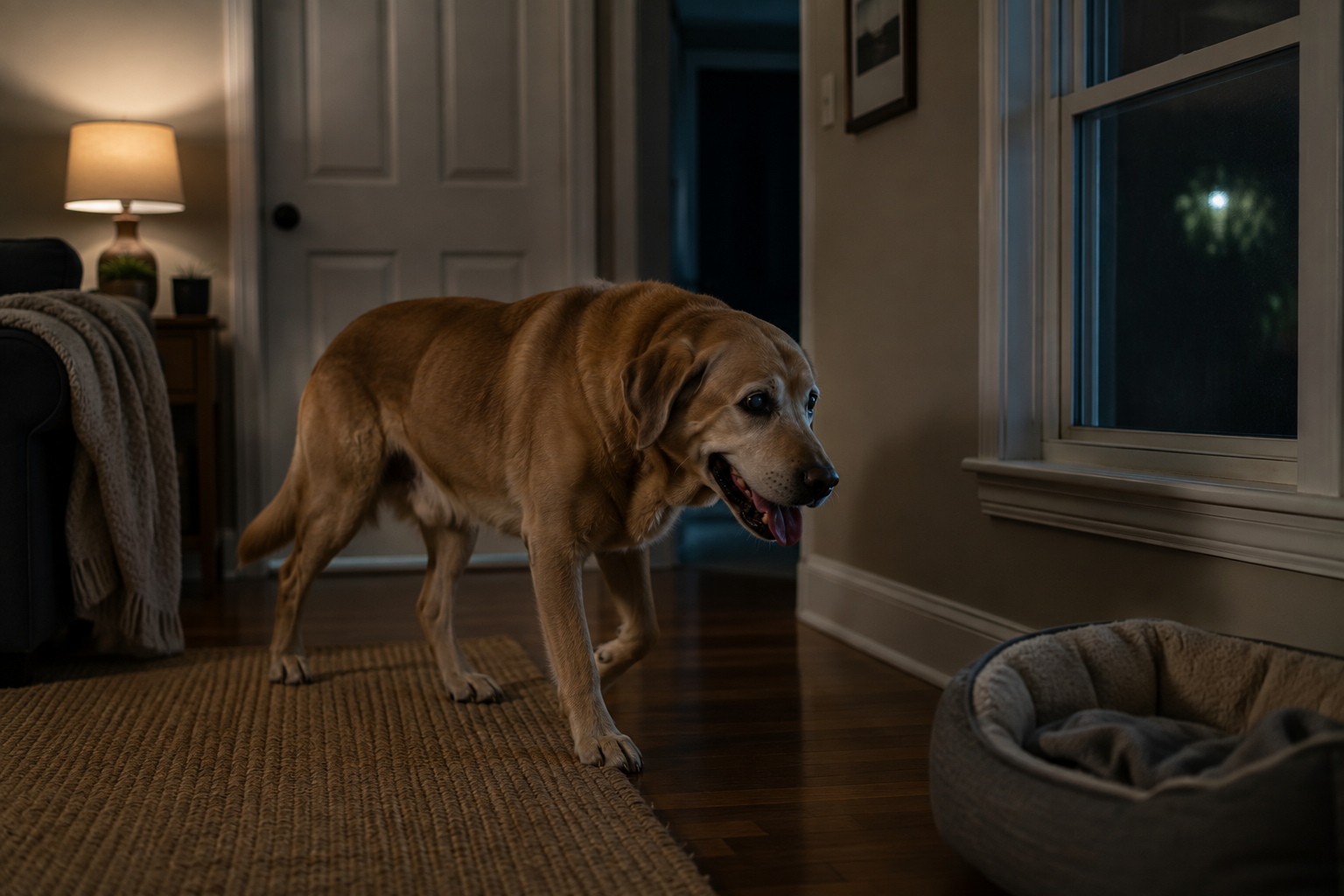
Panting and pacing at night is often medical, not a training problem, especially in an older dog. What to record, and why the vet comes first.

Panting and pacing at night is often medical, not a training problem, especially in an older dog. What to record, and why the vet comes first.
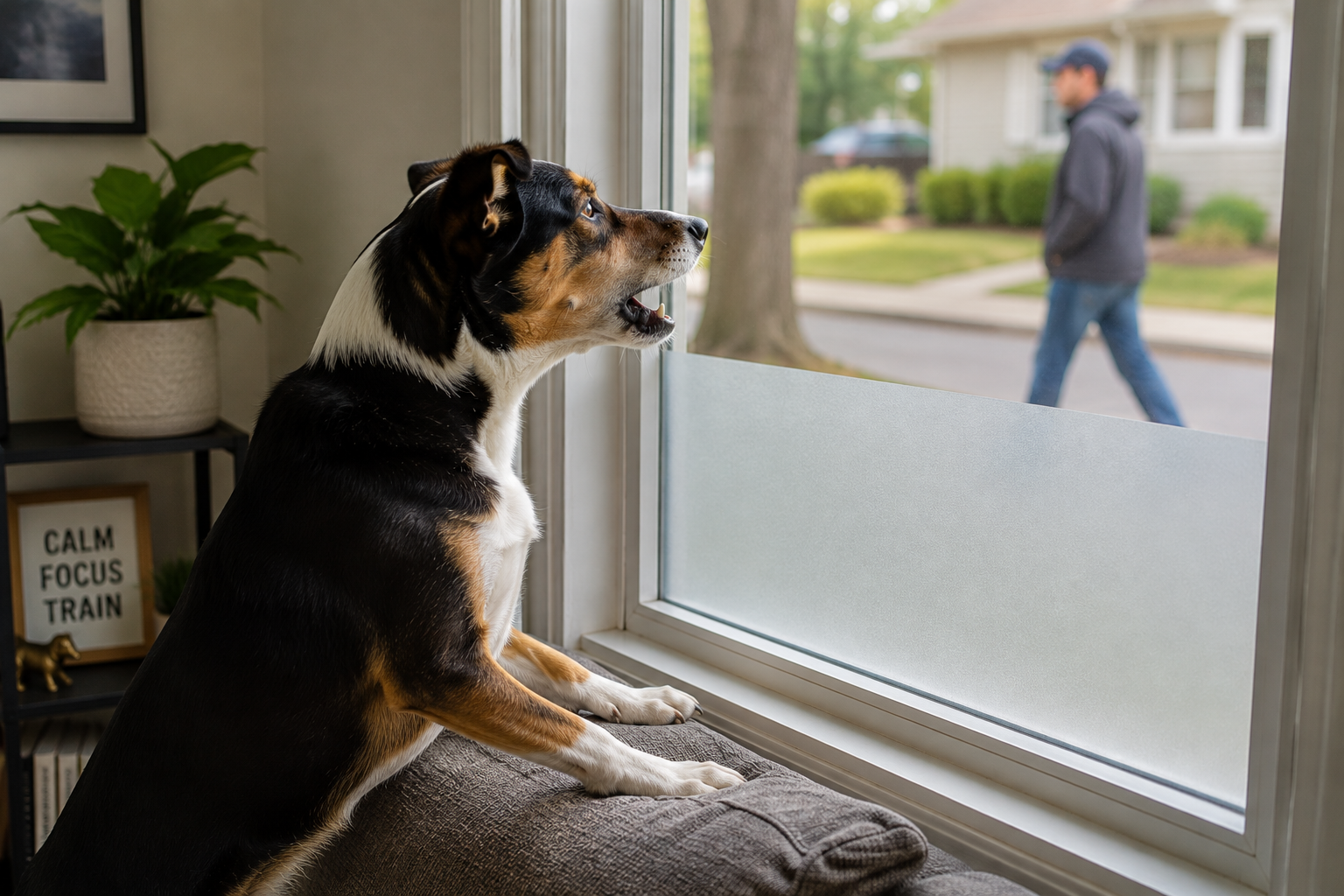
Window barking pays off every single time, which is why it sticks. Block the view first, then use the three-step plan to change the reaction.
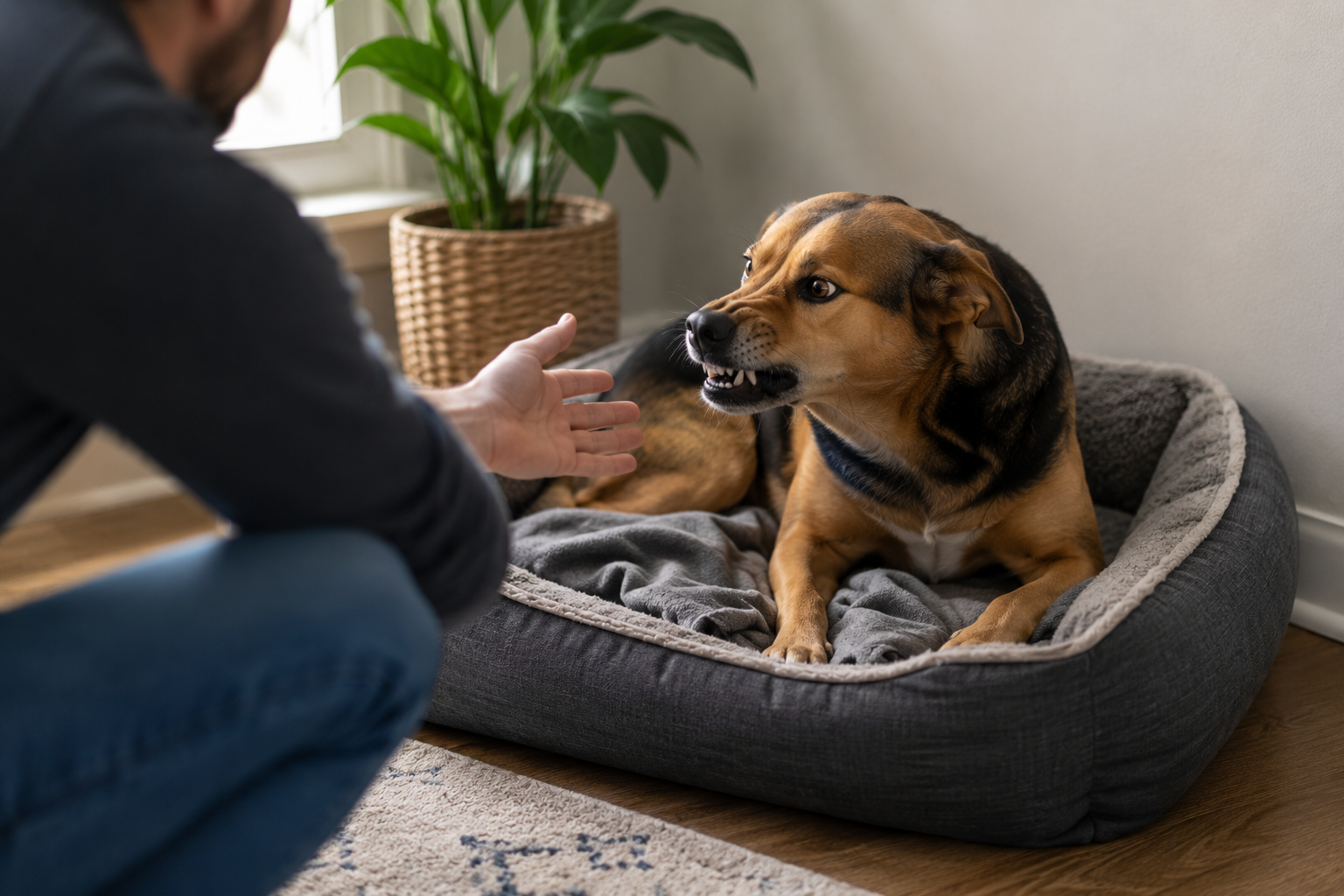
A dog possessive of its bed or crate is guarding a resting place, not challenging you. Why you must never punish the growl, and the safe fix.
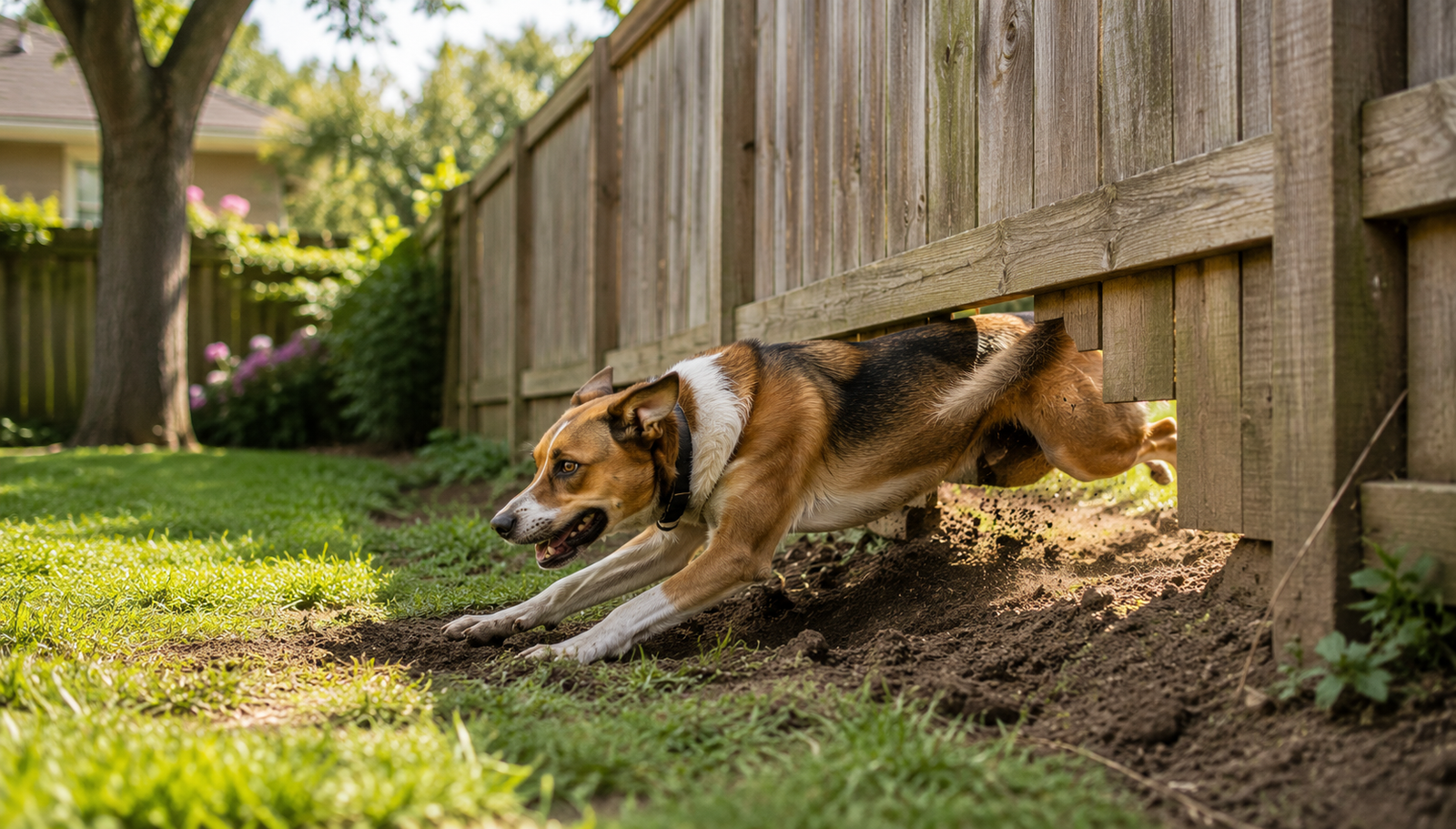
Your dog keeps getting out. The escape route tells you the motive, and the motive decides the fix. A behavior-first plan, not a taller fence.
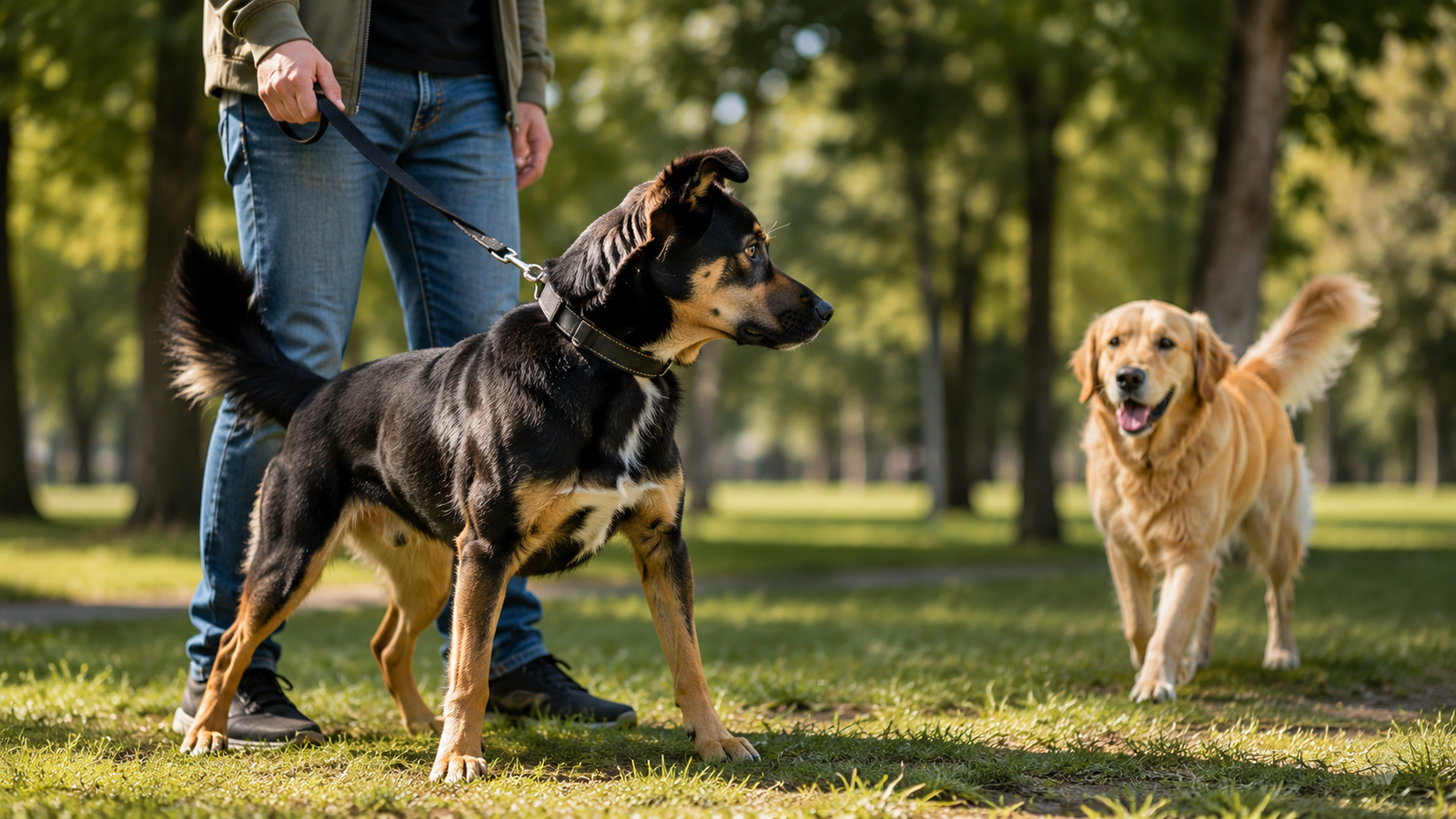
Why your dog guards you from other dogs or people, why you must never punish the growl, and the safe management-first fix that actually works.

A fearful dog needs distance and choice, not introductions. The treat-lure trap that causes bites, and a step-by-step desensitization plan.

Learn to tell attention-seeking whining from need-based whining, and the right response to each, including the honest extinction-burst warning.
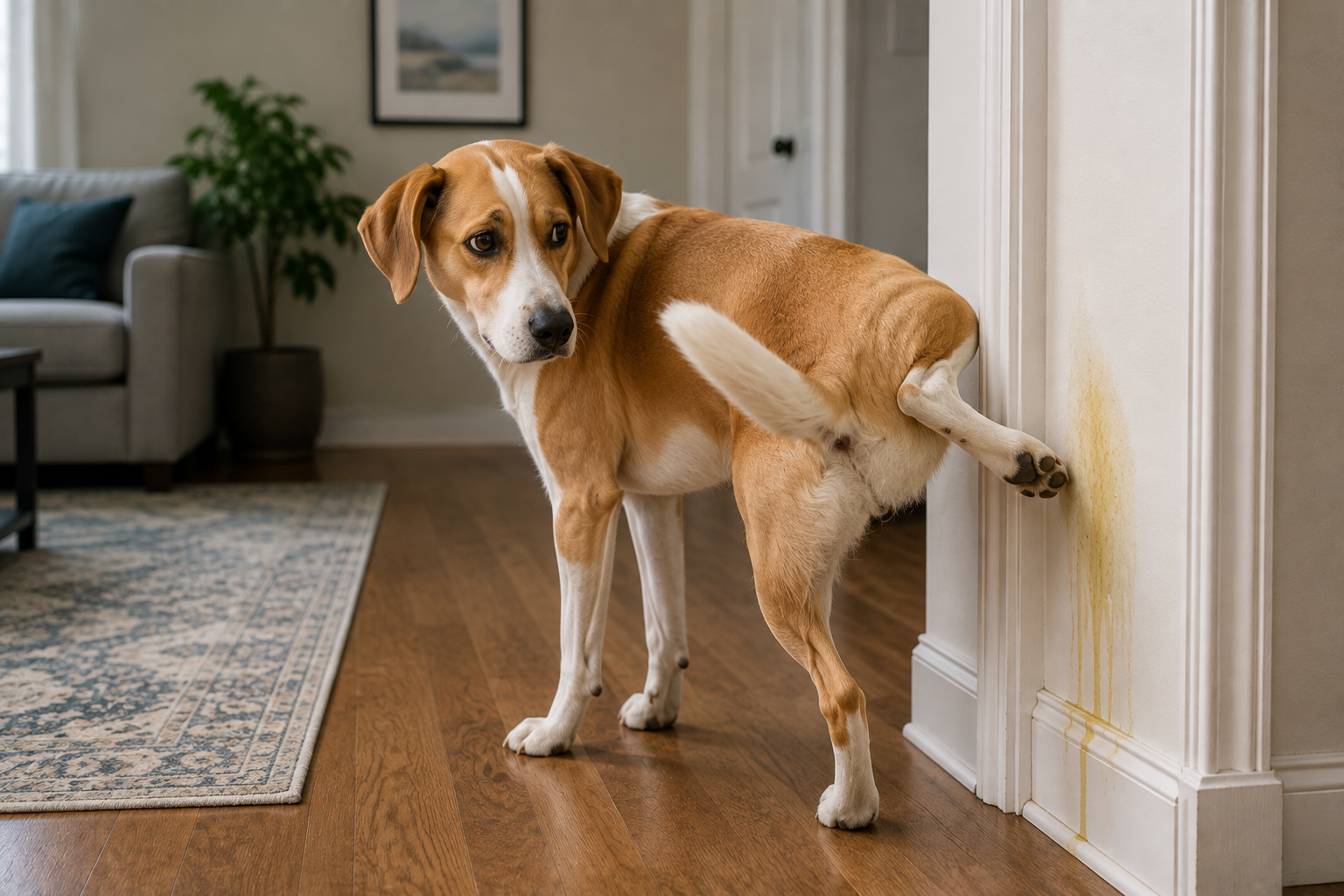
Learn to tell marking apart from accidents, why sudden marking means a vet visit first, and how to actually stop a dog marking indoors.

Stop dog begging at the table with a routine that actually holds. Learn the intermittent-reward trap and a script for tonight’s dinner.
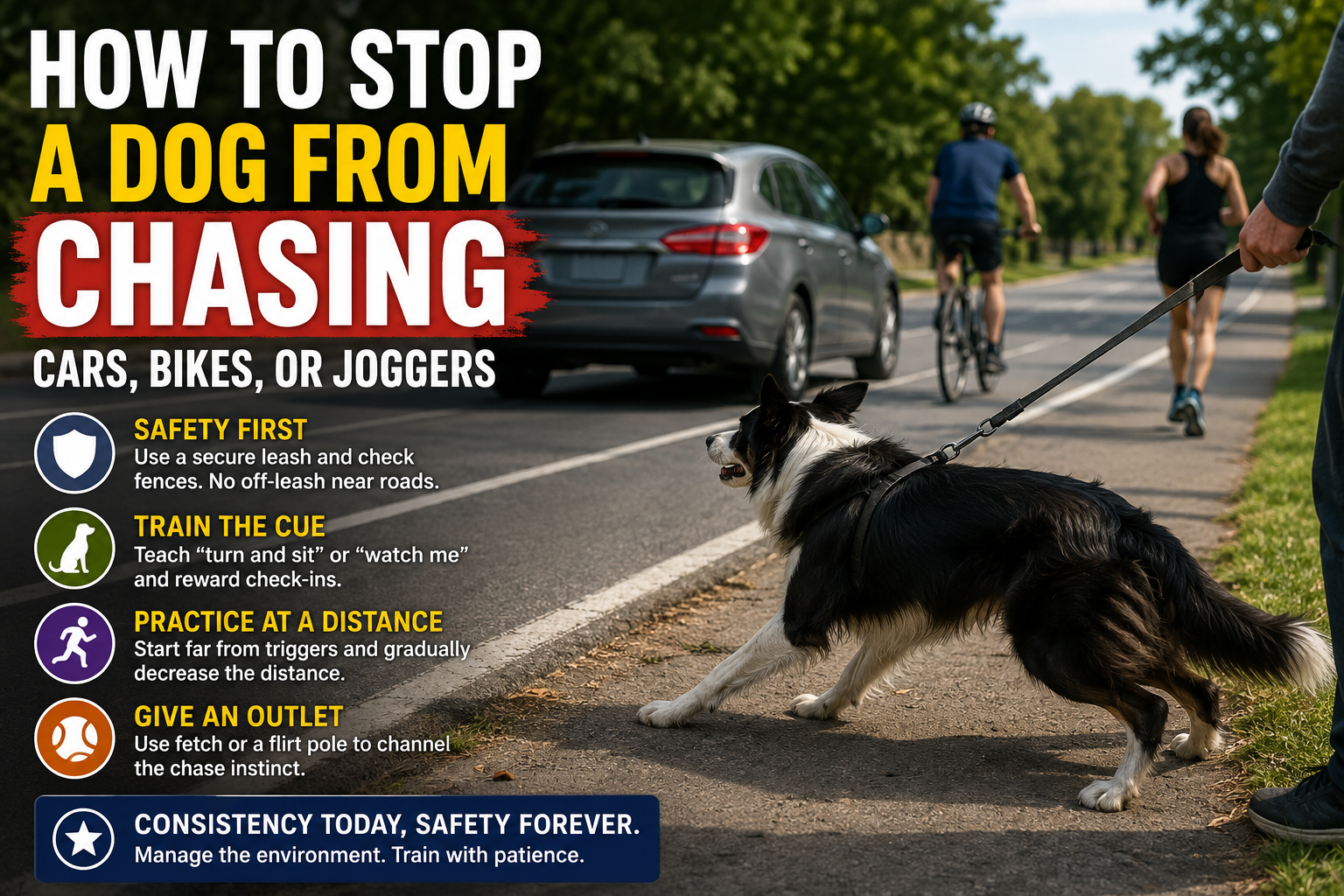
Chasing cars, bikes, or joggers is a safety issue first. Get the containment steps to take today and the training plan behind them.